
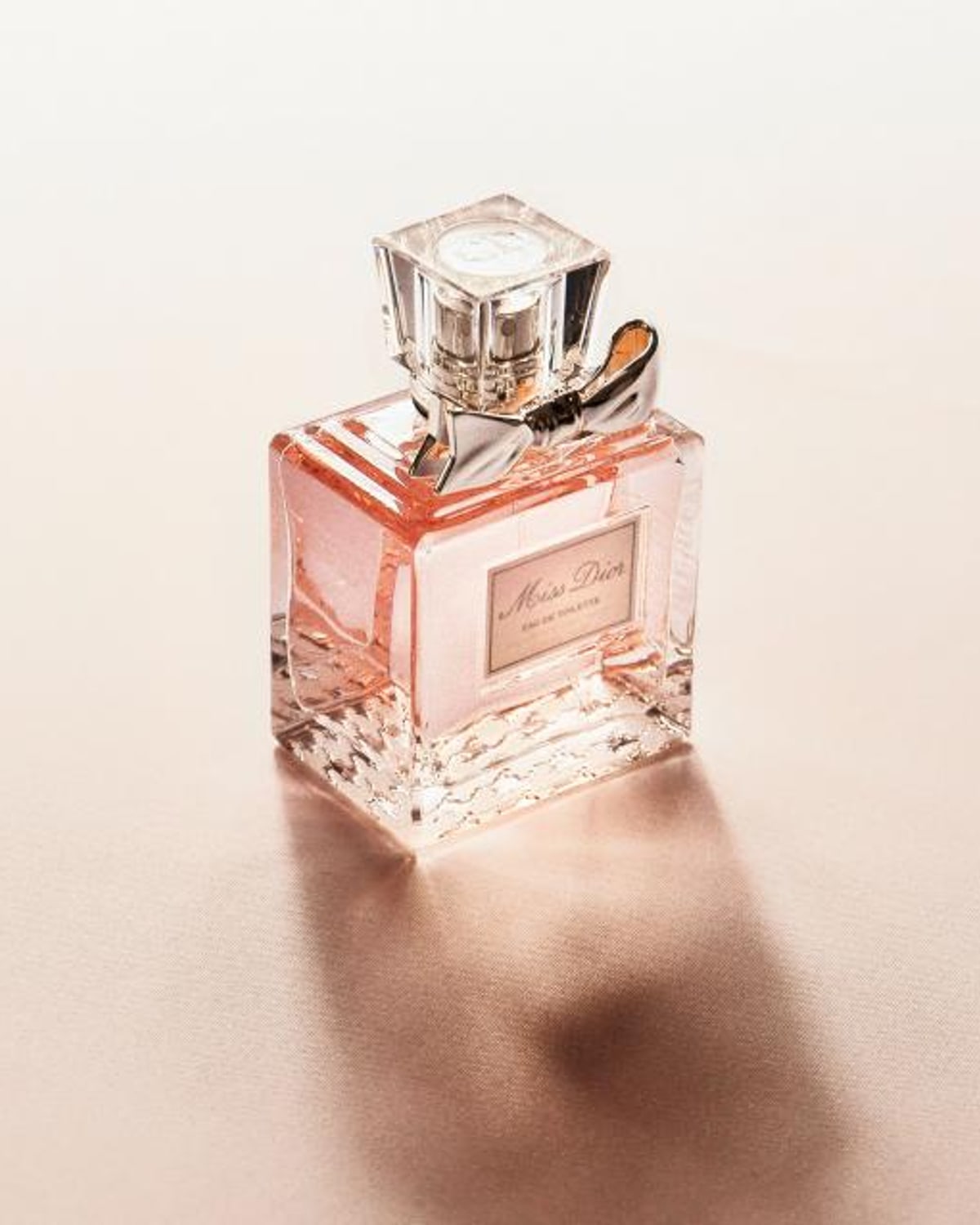
Consistency usually matters more than a complicated routine. In a department-store visit with several test strips, limited skin space, and a need to judge how scent changes over hours, the most helpful approach is to create a small set of steps that can be maintained on ordinary days as well as good ones.
For readers comparing scents for daily wear, occasions, travel, and gifting, start with test no more than two or three scents on skin, leave the store, and evaluate the dry-down before deciding. That gives the routine a clear purpose and makes it easier to tell whether a product is helping, causing irritation, or simply taking up space.
Confirm the exact formula, use instructions, warnings, and return policy before buying. No consumer beauty product should replace appropriate medical care or professional advice.
Key takeaways
The short version
- Primary decision point: opening notes, heart and base development, projection, skin chemistry, season, and setting.
- Use the product with a clear routine: test no more than two or three scents on skin, leave the store, and evaluate the dry-down before deciding.
- Check the label, warnings, size, seller, and return terms before buying.
- Avoid the common trap: buying immediately from a paper strip or choosing only by the top notes advertised online.
Start with the setting and scent trail
Begin with a department-store visit with several test strips, limited skin space, and a need to judge how scent changes over hours. Write down what the product needs to make easier, what would count as a realistic improvement, and what would make you stop using it. Constraints turn a broad category into a useful shortlist.
For readers comparing scents for daily wear, occasions, travel, and gifting, the first decision point is opening notes, heart and base development, projection, skin chemistry, season, and setting. This is not a marketing claim or a guarantee; it is a way to compare products that may otherwise look identical in a search result.
Separate a medical concern from a cosmetic preference. Persistent acne, sudden hair loss, severe irritation, changing moles, and other concerning symptoms deserve evaluation by a qualified professional rather than trial and error with consumer products.
Finally, consider how the product fits with what you already own. A formula that duplicates an effective step can be pleasant but unnecessary. A product that closes a real gap is easier to justify and easier to use consistently.
- Define the scenario: a department-store visit with several test strips, limited skin space, and a need to judge how scent changes over hours.
- Name the primary need: opening notes, heart and base development, projection, skin chemistry, season, and setting.
- Decide what result would make the product worth keeping.
Judge the dry-down, not only the opening
Opening notes, heart and base development, projection, skin chemistry, season, and setting. Treat this as a comparison point rather than a guarantee. The stronger decision is the one that can be explained by the formula, directions, and a realistic routine instead of a marketing phrase.
Read the directions before comparing reviews. A cleanser, serum, treatment, makeup product, or tool can create a poor experience when it is applied at the wrong frequency, in the wrong amount, or alongside an incompatible step.
Introduce one new product at a time when possible. This gives you a clearer way to identify what changed if the product creates irritation, dryness, pilling, breakage, or a result that simply does not suit the routine.
Keep expectations aligned with the category. Cosmetics can support comfort and appearance, but they do not replace sleep, nutrition, sun protection, medical treatment, or professional care when those are the relevant factors.
Sample on skin before committing to a bottle
Ingredient order, concentration context, packaging, texture, fragrance, and care instructions. This is the practical filter for readers comparing scents for daily wear, occasions, travel, and gifting: it removes products that create more work than they solve. Consider how the choice behaves in the morning, after several hours, and when the routine is rushed.
The ingredient list is useful context, but order and naming do not reveal the complete experience. Concentration, base formula, pH where relevant, delivery format, fragrance, packaging, and the manufacturer's directions all shape how a product behaves.
Claims such as gentle, clean, clinical, dermatologist-tested, or non-comedogenic need context. Different regions regulate terminology differently, and testing claims are not the same as a guarantee for every user.
Look for transparent information: a complete ingredient list, clear directions, appropriate warnings, a usable package, customer support, and a seller that can confirm the exact product and batch. Missing basics are more meaningful than a fashionable label.
- Confirm the exact product name, size, and market version.
- Read directions, warnings, and ingredient information before purchase.
- Check fragrance, allergens, or prescription interactions when relevant.
Build a small wardrobe of scents
A good routine should still work on an average day. Test no more than two or three scents on skin, leave the store, and evaluate the dry-down before deciding. This is the minimum viable plan to evaluate before adding optional steps.
Take notes rather than relying on memory. Record the date a product was introduced, how often it was used, any irritation, and whether the routine became easier or more burdensome. Simple observations are more useful than a vague impression.
Photos can help document visible changes when lighting and angle are consistent. They cannot, however, diagnose a concern or prove a cause. If a problem is painful, spreading, severe, or persistent, stop experimenting and seek appropriate care.
Keep the routine flexible. Travel, weather, medication, hormones, sleep, and work schedules can change what skin, scalp, or hair needs. A product that worked last month may need to be paused or used differently in a new context.
- test no more than two or three scents on skin, leave the store, and evaluate the dry-down before deciding
- Change one variable at a time when possible.
- Record tolerance, consistency, and actual use rather than only the first impression.
Verify size, concentration, and return terms
Ask for samples, confirm concentration and size, and compare the exact batch or product rather than relying on memory. A product listing may explain the intended benefit, but it cannot tell you whether the format suits your habits. Use the direction, warning, and package information to decide how comfortably the product fits a department-store visit with several test strips, limited skin space, and a need to judge how scent changes over hours.
Compare the exact formula, size, and seller before following a discount. A lower price is not helpful if the product is expired, counterfeit, final sale, unavailable in the needed shade, or paired with shipping costs that erase the savings.
Calculate a simple cost-per-use estimate when the product will be used regularly. For occasional products, expiry risk and storage requirements matter more than a bulk discount. For refillable products, compare the refill price and availability, not only the starter kit.
Use commercial links as a comparison starting point. Current stock, formula updates, regional versions, and promotions can change, so verify the listing before checkout and keep the order confirmation for returns or authenticity questions.
- Confirm product version, quantity, shade, and expiration or use-after-opening guidance.
- Check shipping, taxes, final-sale rules, and the return window.
- Compare at least two sellers when authenticity or service is uncertain.
Store fragrance so it stays recognizable
Buying immediately from a paper strip or choosing only by the top notes advertised online. Avoid this before spending more, because better technique or a more appropriate format often matters more than another product.
Store products according to the label. Heat, direct sunlight, bathroom humidity, and contaminated applicators can change texture and shorten usable life. Keep tools clean and replace products according to package directions or when the smell, color, or texture changes.
Review the routine every few months. Remove products that are expired, irritating, duplicated, or no longer used. A smaller routine is easier to maintain and makes the value of each product visible.
The best purchase is not the one with the loudest claim. It is the product whose role you can explain, whose directions you will follow, and whose tradeoffs you accept before adding it to the shelf.
Good beauty advice should make the next decision clearer, not make every product sound essential. Start with the real scenario, read the label, and judge the tradeoff before checkout.
Scenario-led shortlist
Three buying directions to compare
These are editorial buying directions, not invented product tests. Use the labels to match a direction to your routine, then verify the current formula, instructions, size, and offer with the seller.
Best routine fit
A balanced option for a signature fragrance
Choose this direction when opening notes, heart and base development, projection, skin chemistry, season, and setting is the main priority. It is intended for someone who wants a straightforward product and does not want to build an entire routine around one trend.Best for
- readers comparing scents for daily wear, occasions, travel, and gifting
- Readers who want clear directions and easy layering
- Shoppers comparing mainstream formulas and formats
Look for
- Primary decision point: opening notes, heart and base development, projection, skin chemistry, season, and setting
- Routine fit: test no more than two or three scents on skin, leave the store, and evaluate the dry-down before deciding
- Current ingredients, warnings, size, and return terms are easy to verify
Best for the scenario
A scenario-specific option for a signature fragrance
Consider this direction when the setting matters most. It is built around a department-store visit with several test strips, limited skin space, and a need to judge how scent changes over hours rather than a generic promise that one product fits every day.Best for
- Readers managing a department-store visit with several test strips, limited skin space, and a need to judge how scent changes over hours
- People who want a practical solution rather than a crowded routine
- Shoppers willing to compare texture, application, and wear
Look for
- A format that supports the intended routine
- Instructions and warnings that are easy to understand
- A realistic role alongside products already in use
Best value to compare
A considered upgrade for a signature fragrance
A higher price is easier to justify when it improves a feature you already rely on, such as texture, packaging, refill value, service, or transparency. Start by confirming this detail: ask for samples, confirm concentration and size, and compare the exact batch or product rather than relying on memory.Best for
- Readers replacing a reliable product they already understand
- Shoppers who value better packaging, service, or refill options
- People with a specific routine gap rather than general curiosity
Look for
- A clearer reason for the higher price
- Instructions and support that make the product easier to use
- A cost-per-use case that accounts for quantity and expiry
Common questions
FAQ: How to Choose a Signature Fragrance in Store
What should I check first when comparing a signature fragrance?
Start with opening notes, heart and base development, projection, skin chemistry, season, and setting. Then read the directions, warnings, ingredient list, amount, and return policy for the exact product.
How long should I use a signature fragrance before judging it?
Follow the manufacturer's directions and give the routine enough time to be used consistently. Stop using a product if it causes persistent irritation, and seek medical advice when a concern is severe or unexplained.
How can I tell whether a signature fragrance is worth the price?
Ask for samples, confirm concentration and size, and compare the exact batch or product rather than relying on memory. Compare the full size, expected use period, service, and return options rather than the sticker price alone.
What mistake should I avoid with a signature fragrance?
Buying immediately from a paper strip or choosing only by the top notes advertised online. Keep one variable at a time when you introduce a new product, especially if your skin, scalp, or eyes are sensitive.